Photo by Elisabeth Cassinari
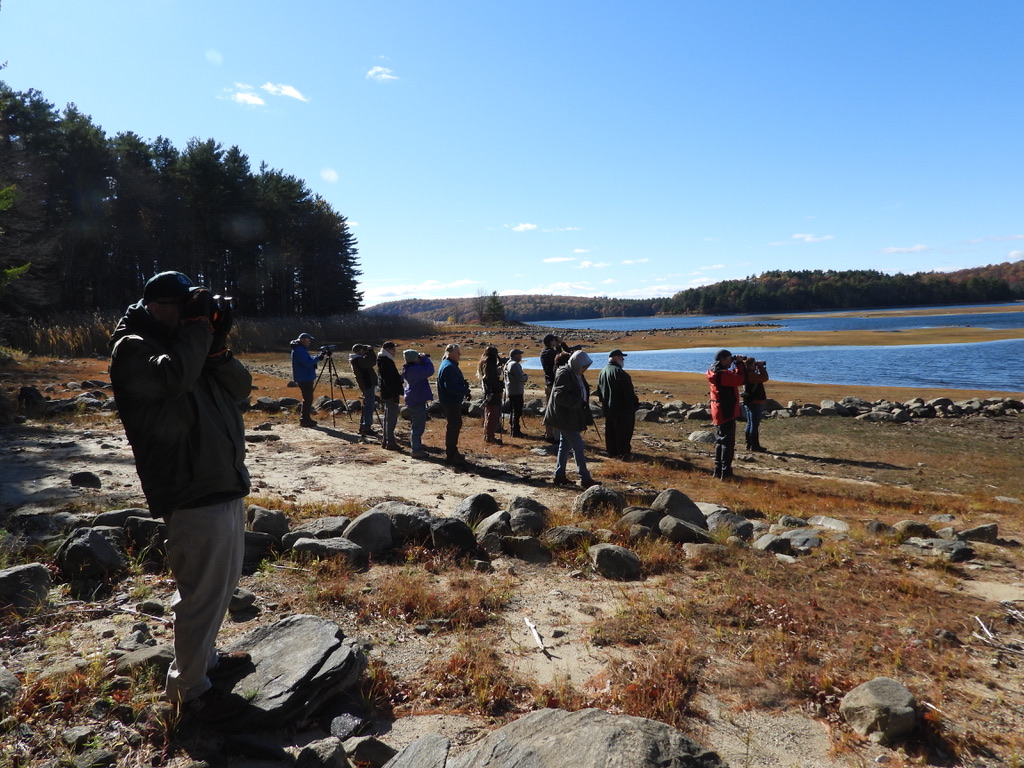
On November 1st, seventeen birders and naturalists spent a glorious fall day navigating the Quabbin roads from Gate 29 to 43. This special event is one of two annual ABNC natural history trips allowed by the Quabbin Public Access plan. Club President Dave Small led the group organizing folks into the five car maximum per our access permit.
The day started overcast with a brisk temp of 44°F. Winds were out of the NW at 10-14mph with gusts up to 22 mph which was surely felt as whenever we were out of cover of the trees.
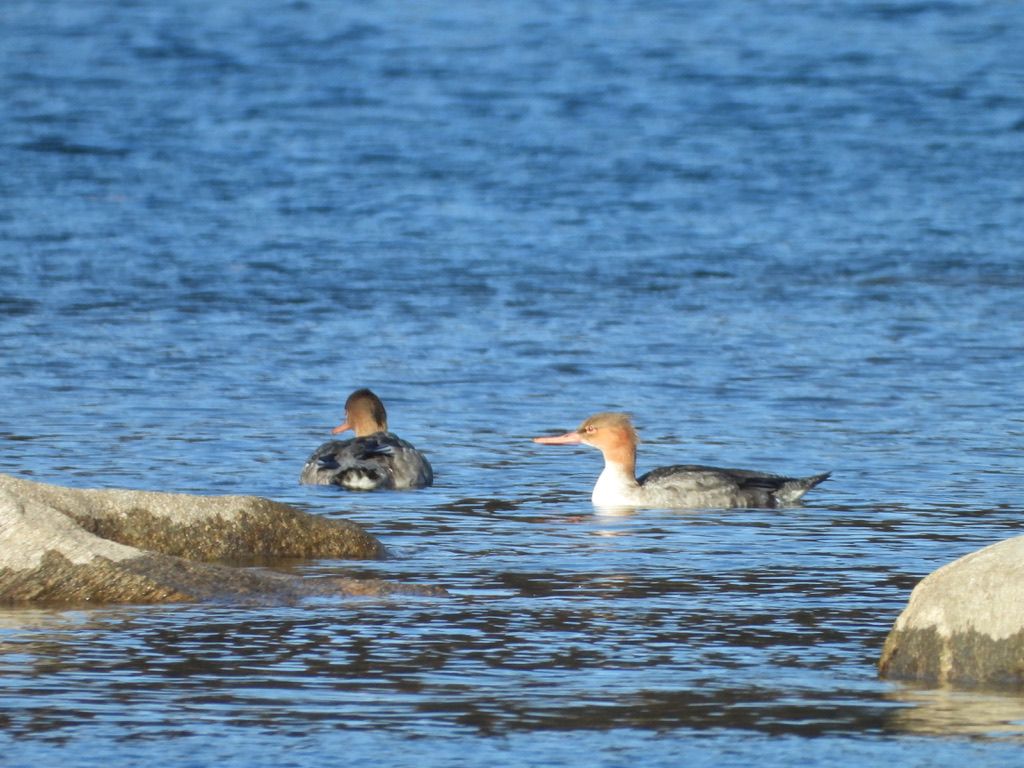
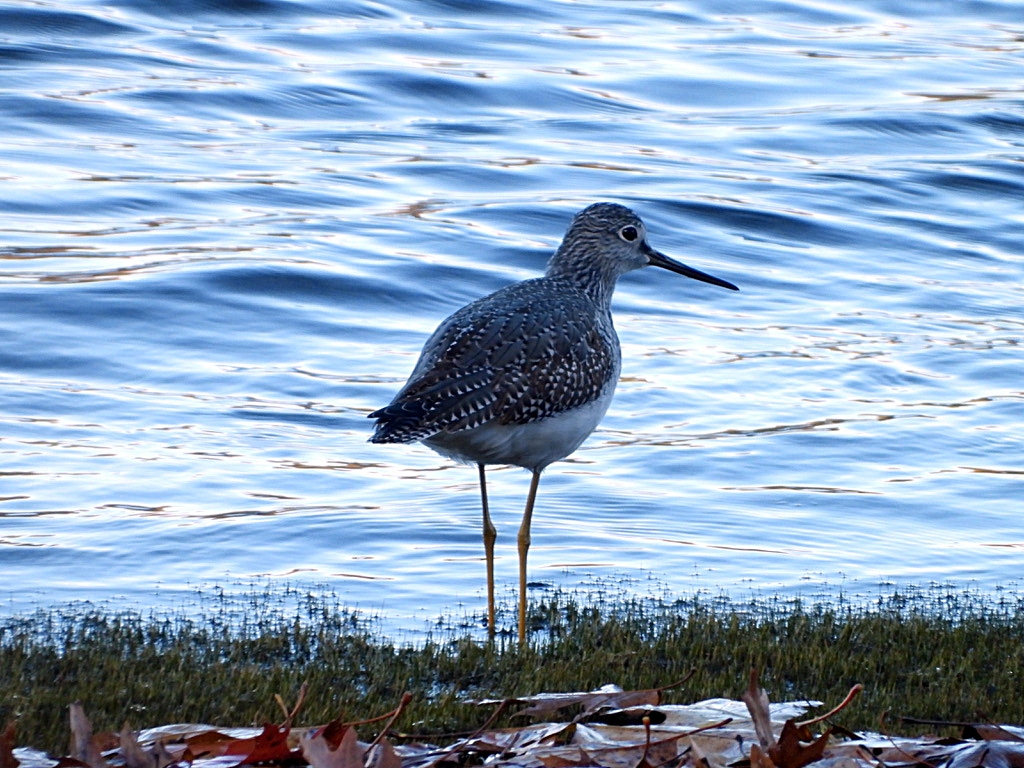
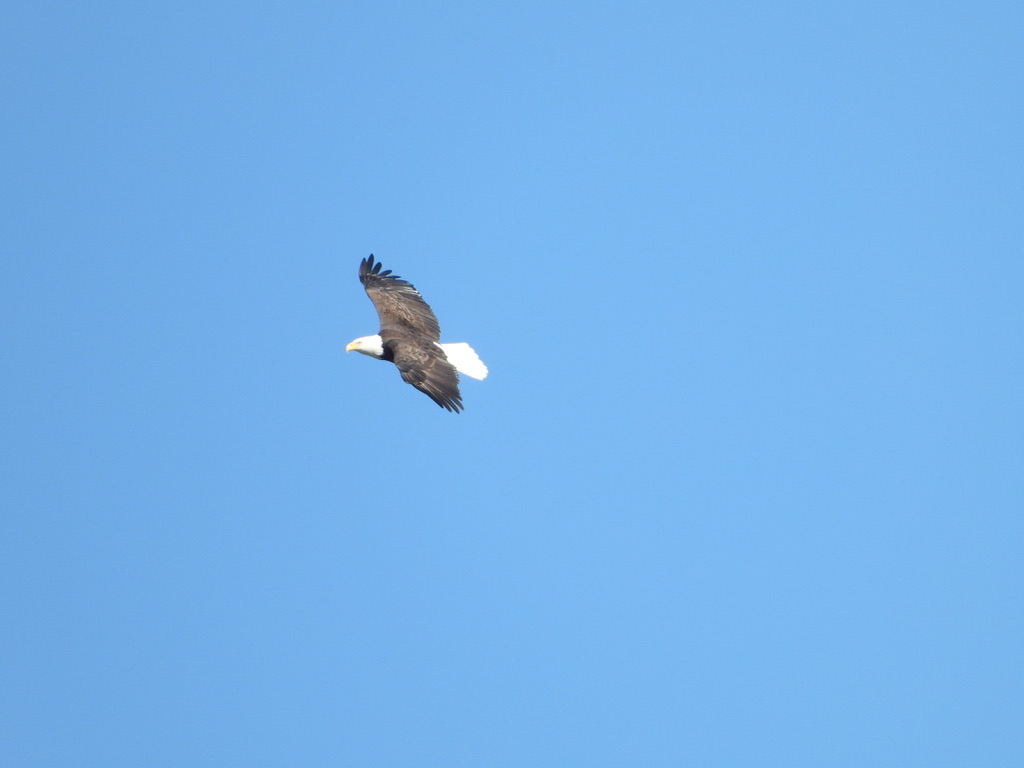
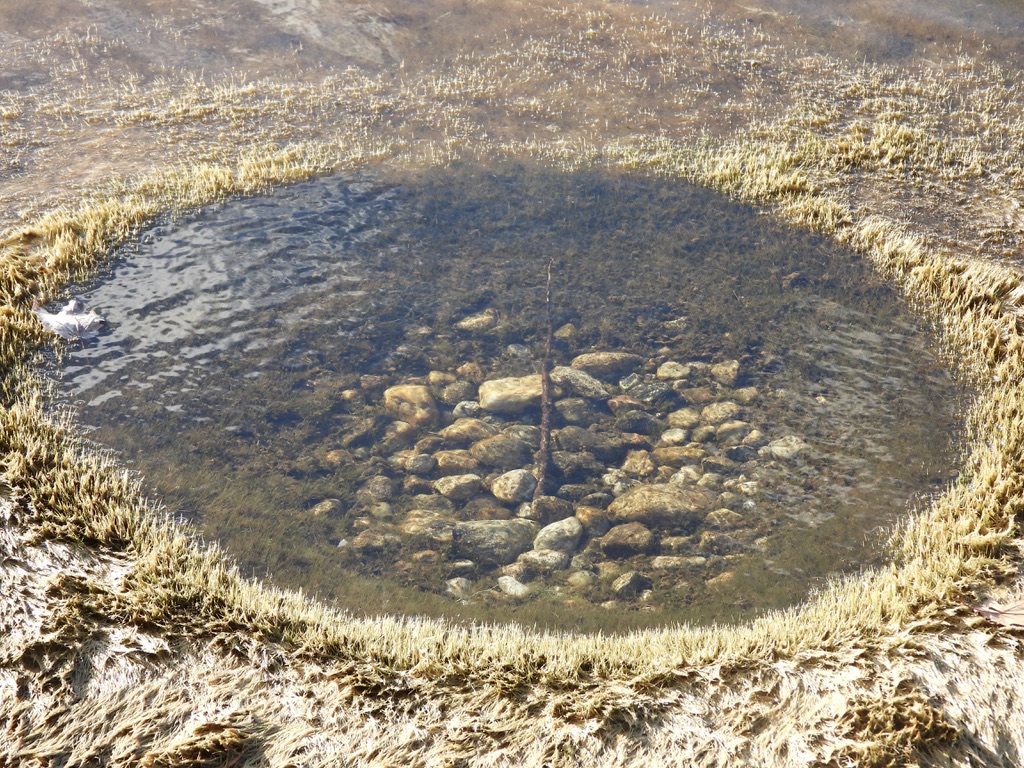
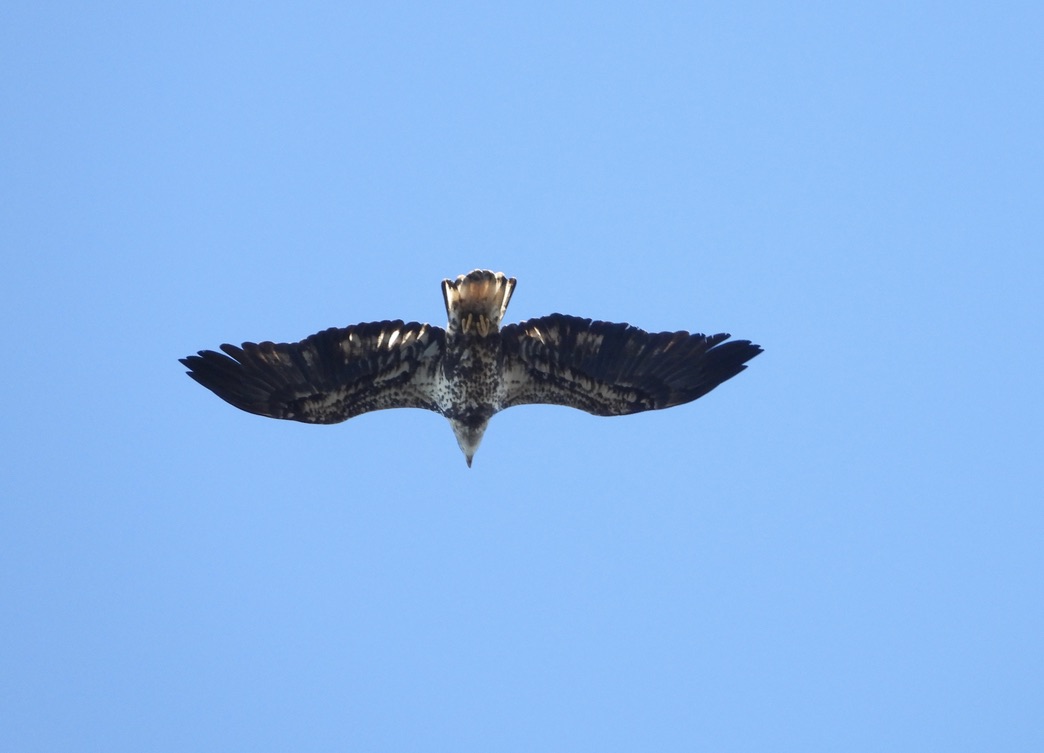
We drove down to the waters edge from Gate 31 and were astonished to see how low the water was. It appeared to be at least six feet below normal levels. From here, we observed Common Mergansers, Common Loons and some Greater Yellowlegs. A Bald Eagle flew high overhead. Along the road, we flushed scores of Dark-eyed Juncos, their white-edged tails flashing as they flew into the thickets.
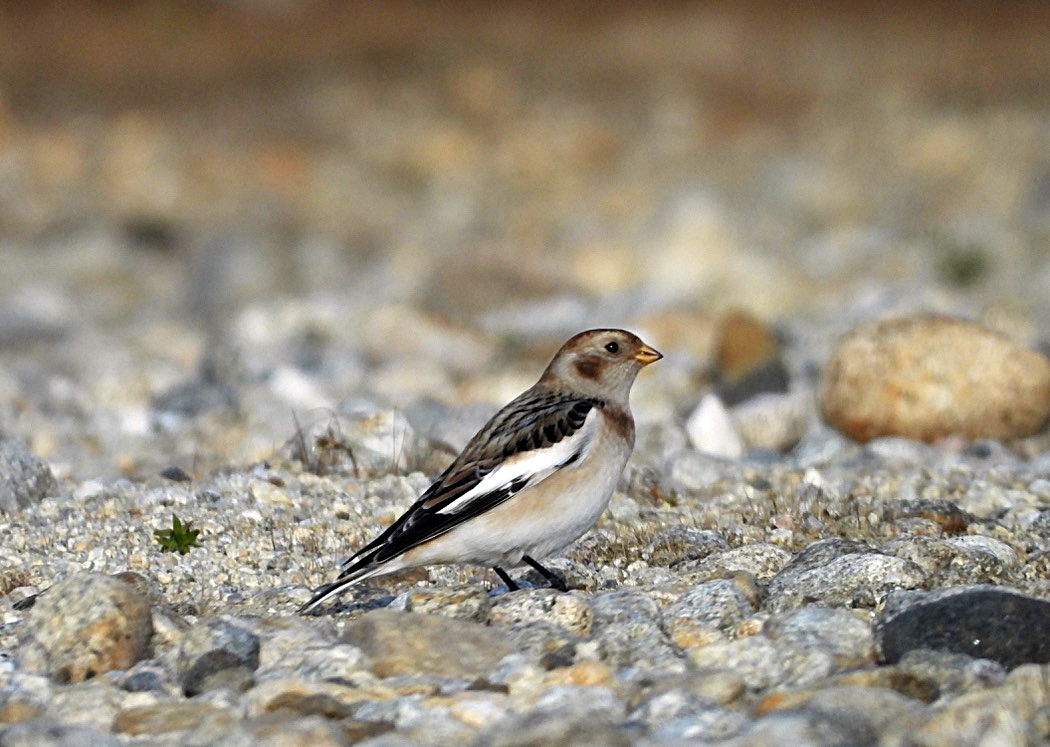
We exited and entered again through Gate 33. Leaving our cars, we walked along the exposed shoreline. There, we had a very cooperative flock of Snow Buntings shuffling across the rocky shore. Scanning over the choppy water, we had ducks galore including some fall/winter visitors: Red-breasted Mergansers, Long-tailed Ducks, a Black Scoter as well as the usual suspects like Mallards, American Black Ducks and Common Mergansers. We had a pair of North American River Otters floating in the water, munching on breakfast.
Our drive took us along the eastern edge of the reservoir, what was known as the old Rabbit Run railroad tracks. Our ears picked up on the wintering residents, Red-breasted Nuthatches, Golden-crowned Kinglets, Brown Creepers and of course, plenty of Black-capped Chickadees and Tufted Titmice.
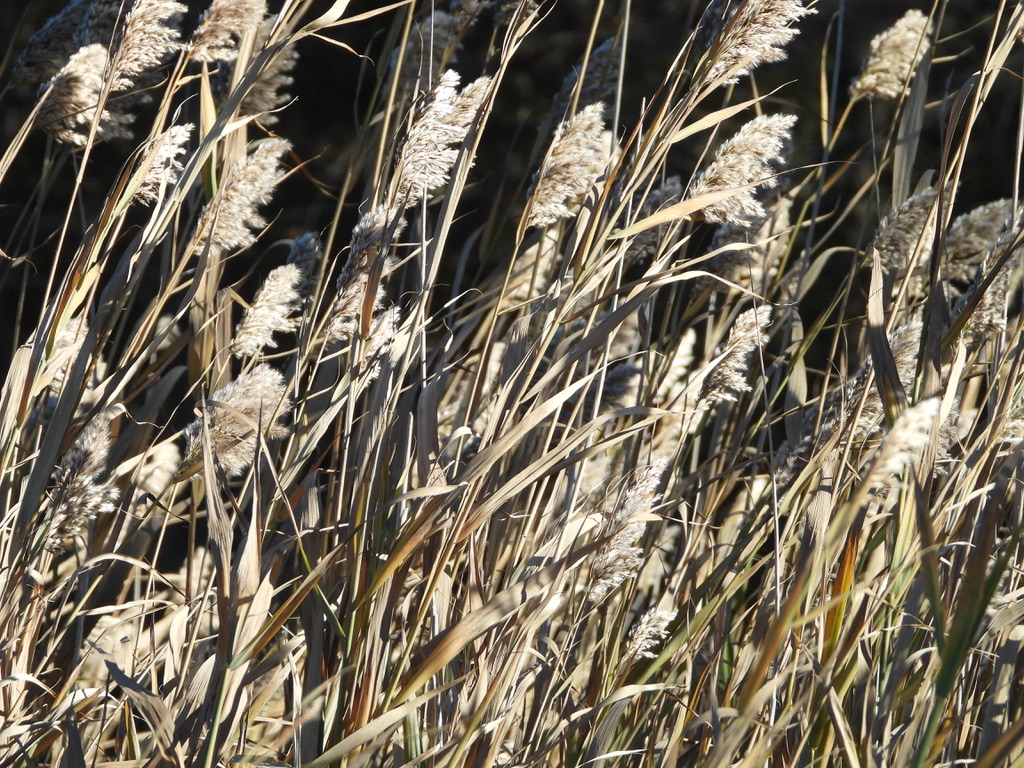
We ran into Tom Pirro leading a club outing with the Forbush Bird Club. They had all of the same ducks but also a rare Red-throated Loon down towards “Phragmite Island”. We used scopes to search until our eyes turned blurry from the wind but couldn’t find it. We did find plenty of Common Loons and Ring-billed Gulls out on the water.
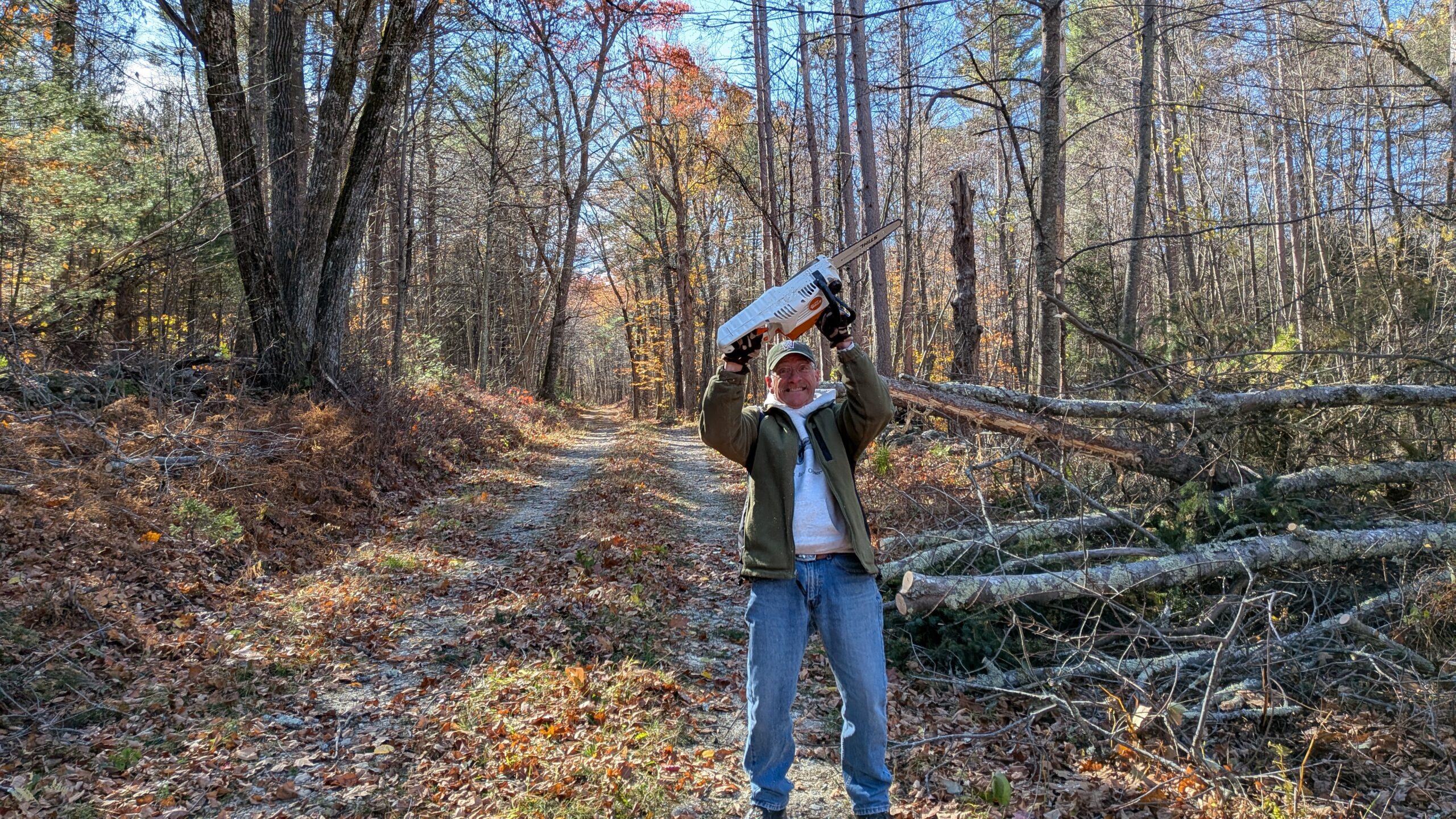
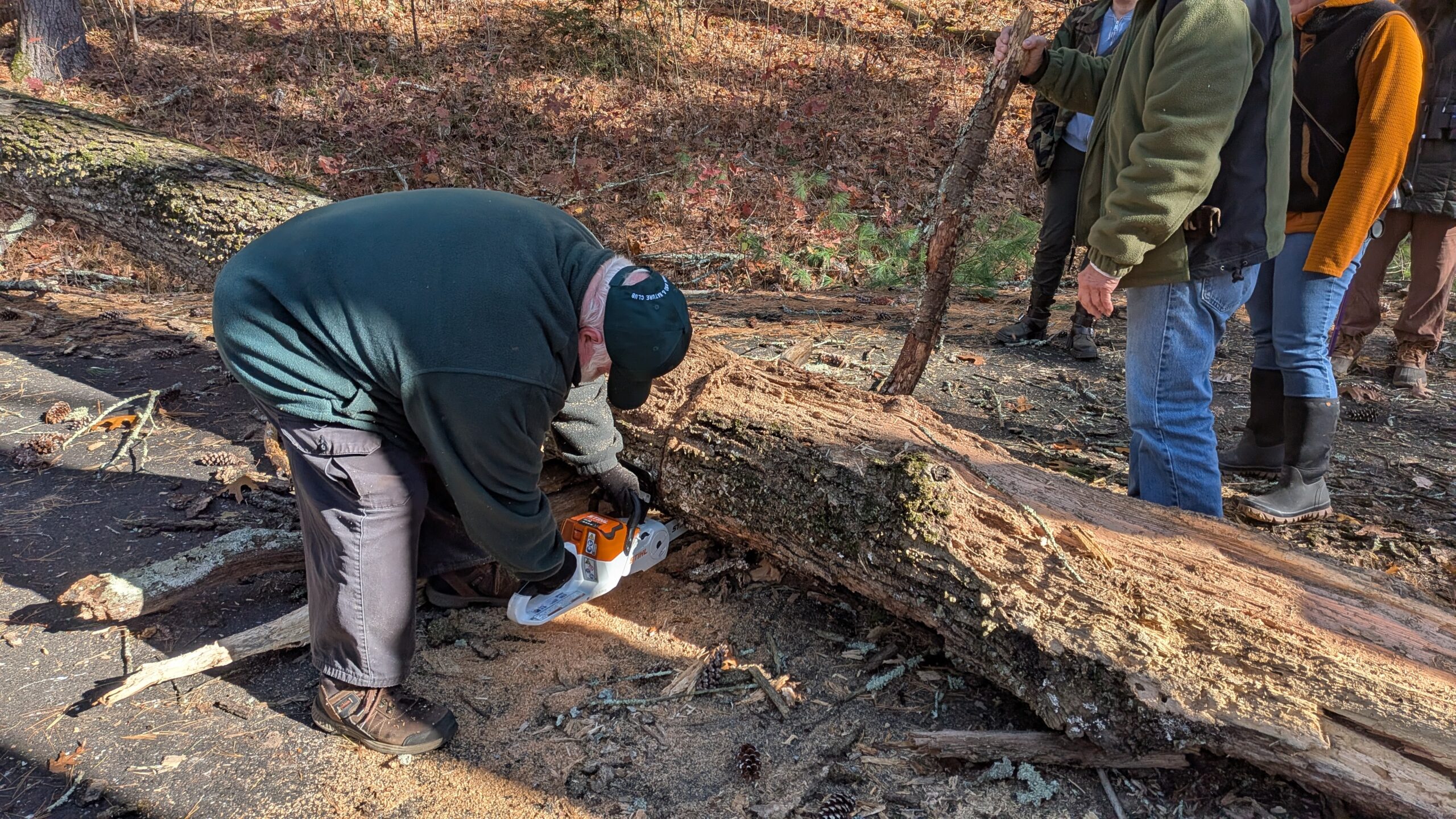
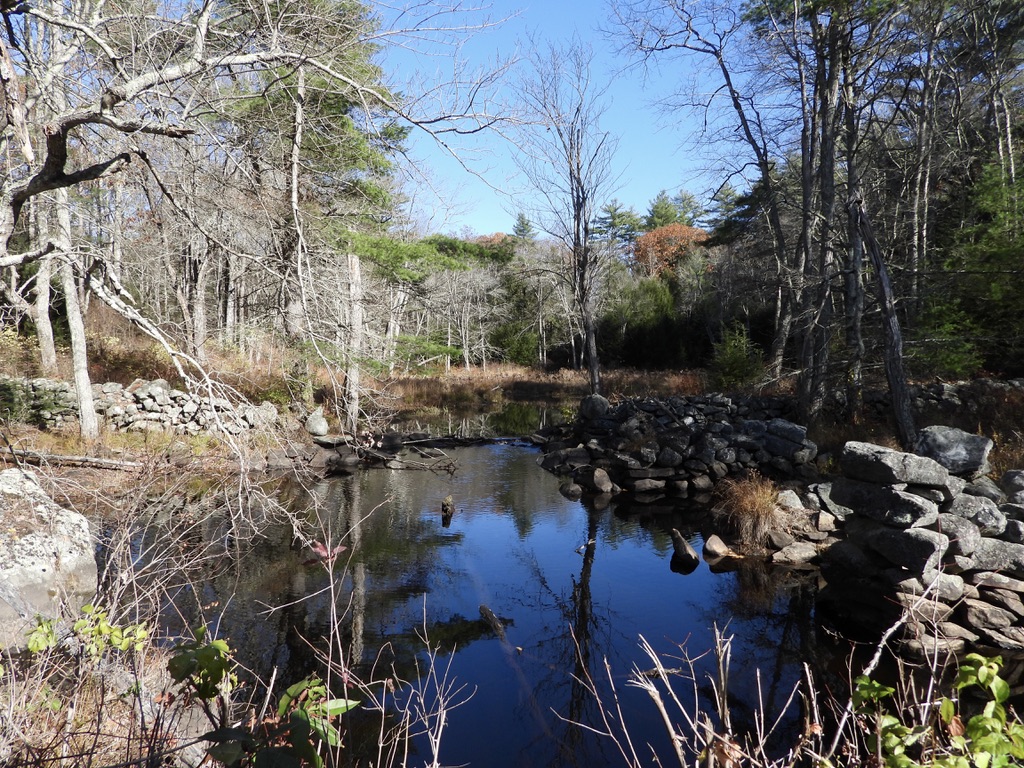
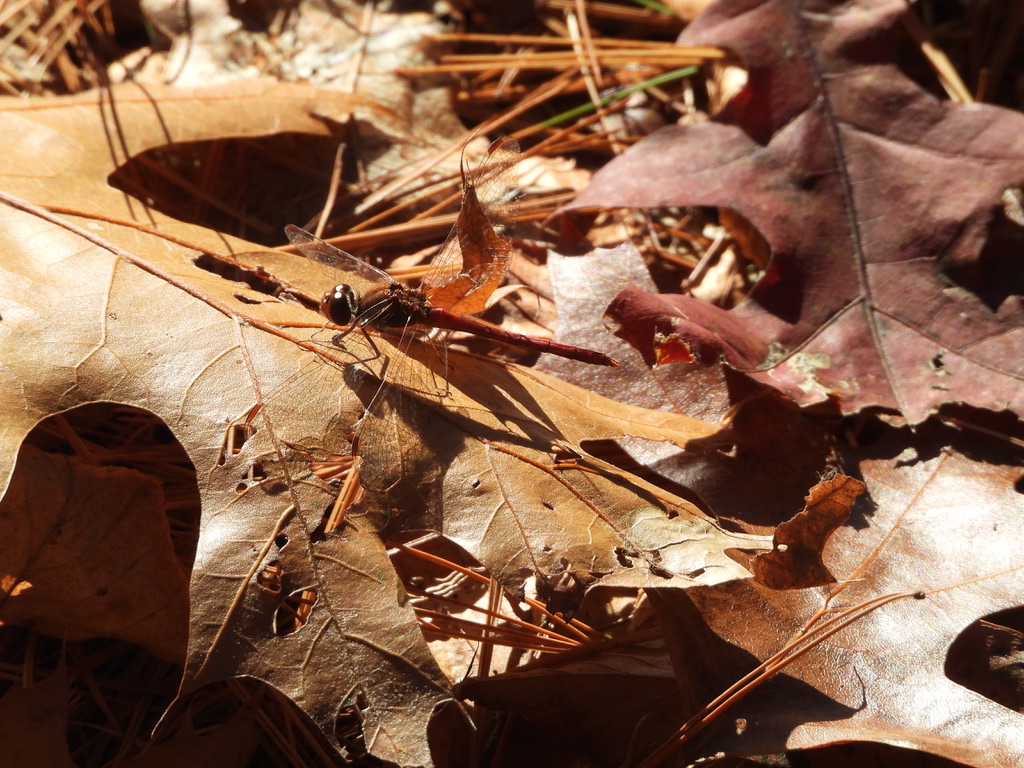
Heading east and away from the water, we made our way towards the area near Gate 37. Along the road, we encountered the first of many trees that had been downed by the wind across the road. Thanks to the foresight from our leader, Dave Small, his electric chainsaw made quick work each time. We had plenty of hands to help move branches and logs off the road. It was mostly quiet in the woods. In a beaver pond, we had Green-winged Teal and Hooded Mergansers. We spotted some Autumn Meadowhawks warming themselves on leaves along the road.
Continuing south, we made our way to Graves Landing. We had a lone “spike buck” along the road. Down at the water’s edge, a stone marker recognizes the first Game Warden to patrol the Quabbin, Franklin Graves. Once again, we experienced extensive flats exposed by the low water levels. Dave and others reminisced about how water levels remained low enough for several years in a row that dozens of Grasshopper Sparrows nested in the grasses on the flats.
The sun was finally out as we stopped for lunch and a bathroom break at Dana Common. Ring-necked Ducks flushed from Pottapaug Pond as we approached. A few bikers and walkers were also visiting the common that day.
Our caravan drove south to Fishing Area 3 where we made a quick stop. There weren’t very many ducks but we had a Belted Kingfisher perch on the nearby railing. As we exited the fishing area, we encountered hundreds of Common Grackles kicking up the leaves alongside the road searching for insects. When they flushed, it was a cloud of squeaks and scolding calls as they flew deeper into the woods.
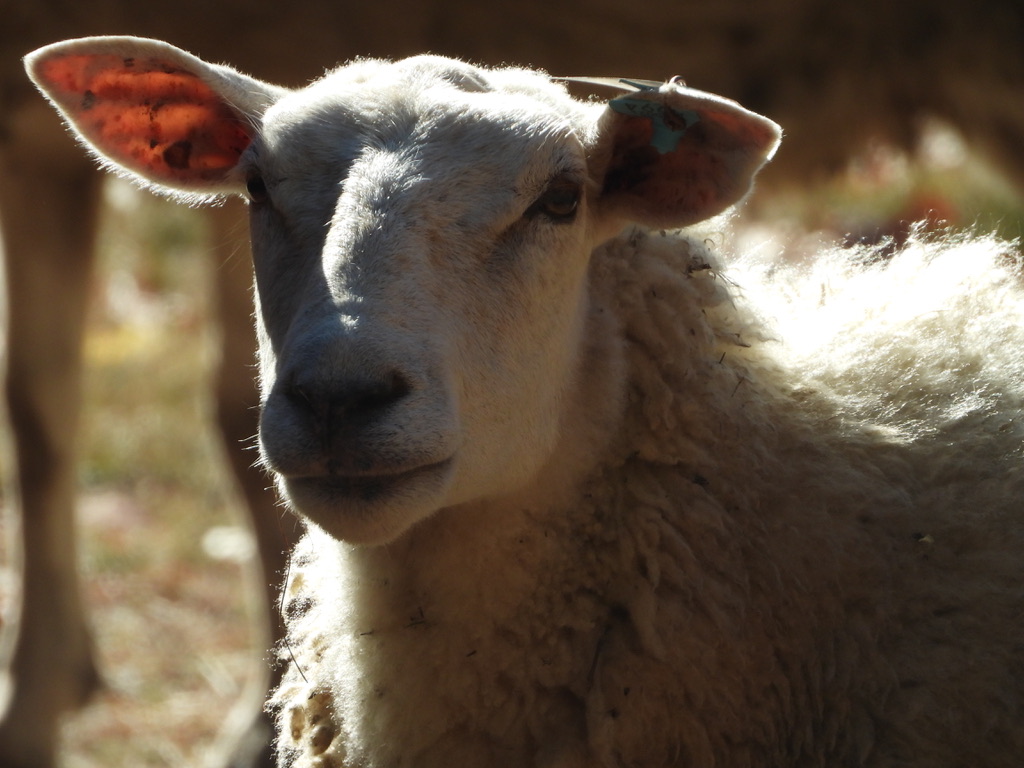
Maybe the most rare sighting of the day was a pair of domestic sheep in a clearing just a quarter mile from Fishing Area 3. Dave Small said that this had to be a first. He made a call to DCR rangers to report them.
We completed our trip by exiting out of Gate 43. It was a pleasant late fall day spent with great company.
Our trip ended sunny, with a temperature of 52°F. Winds were about the same – out of the WNW at 15mph with 27mph gusts. It was pretty chilly all day long.
Sunrise was at 7:22am with sunset at 5:42pm.
Click here to see full list of species.
Missed this trip? Sign up for our newsletter below to be the first to hear about the next one.
Trip report by Jon Skinner. Photos provided by Elisabeth Cassinari and Jon Skinner.
Sign up for our Email Newsletter
Join our newsletter to receive updates on upcoming field trips and events from the Athol Bird and Nature Club. We also share activities and events from groups like:
- Millers River Watershed Council
- Millers River Greenway
- Massachusetts Butterfly Club
- Ware River Nature Club
We send about one email per week. View our archive of email newsletters here.